

The Role of the Skin in Food Allergy
Why the Skin?
The skin’s immune-regulating ability makes it a compelling target for therapy1,2
The epidermis acts as both a physical and immunological barrier.3
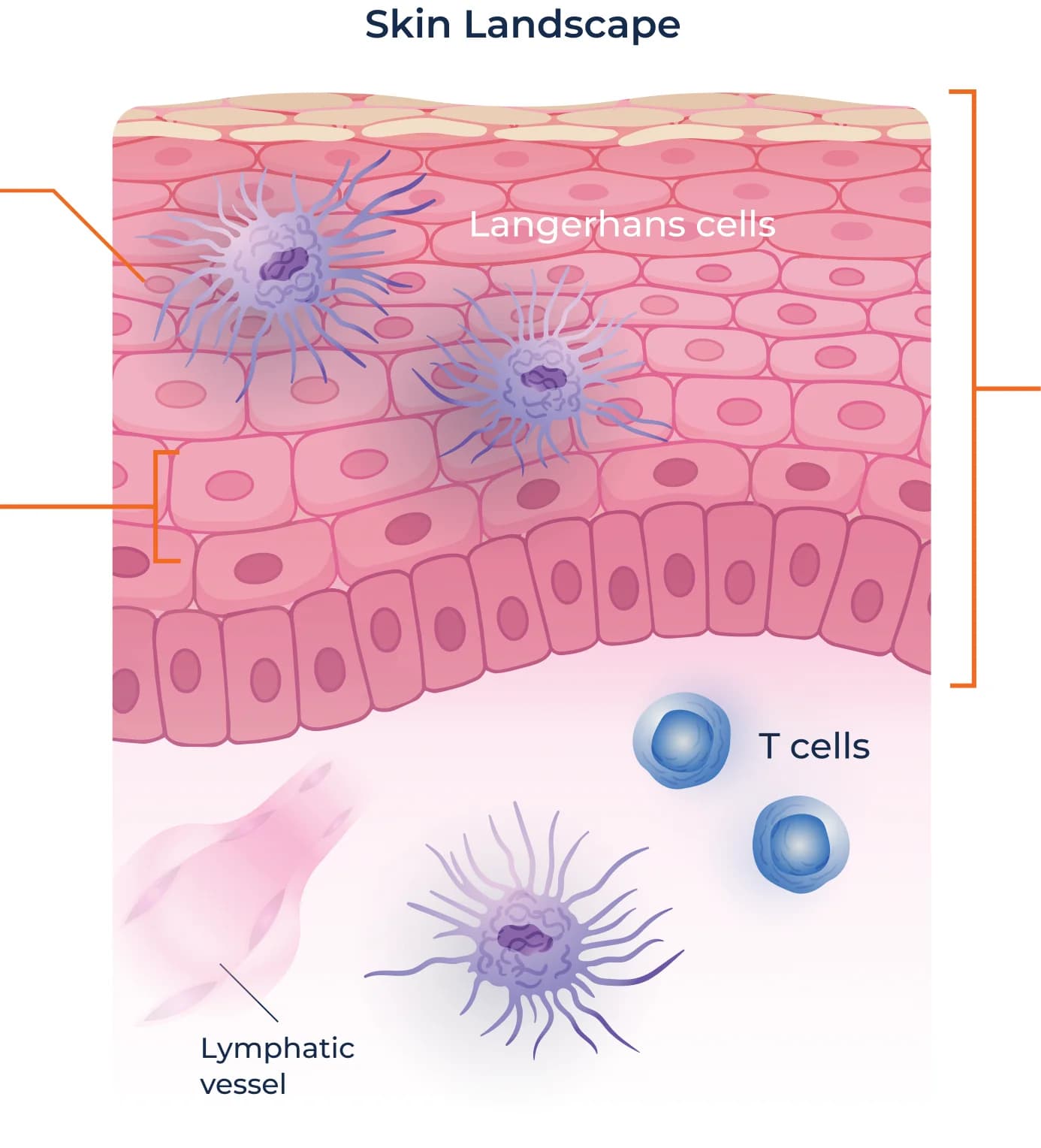
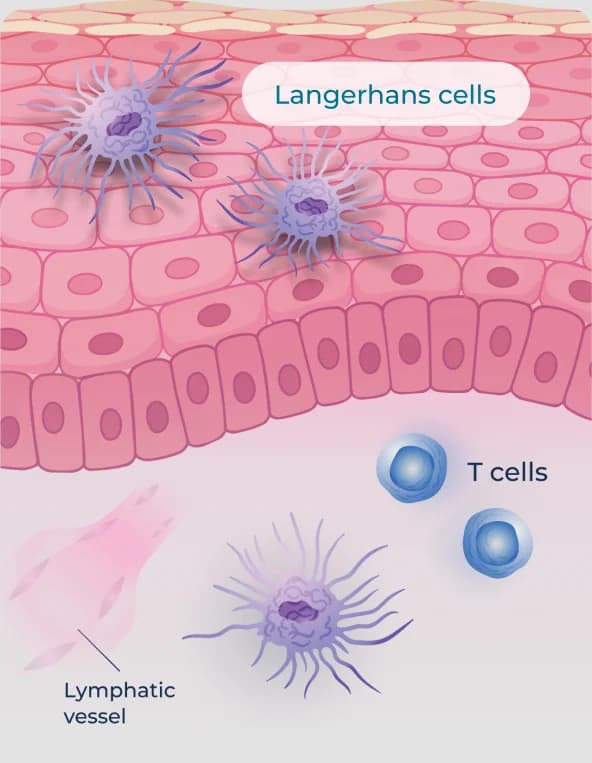
Langerhans cells within the epidermis allow selective passage of antigens through the skin4
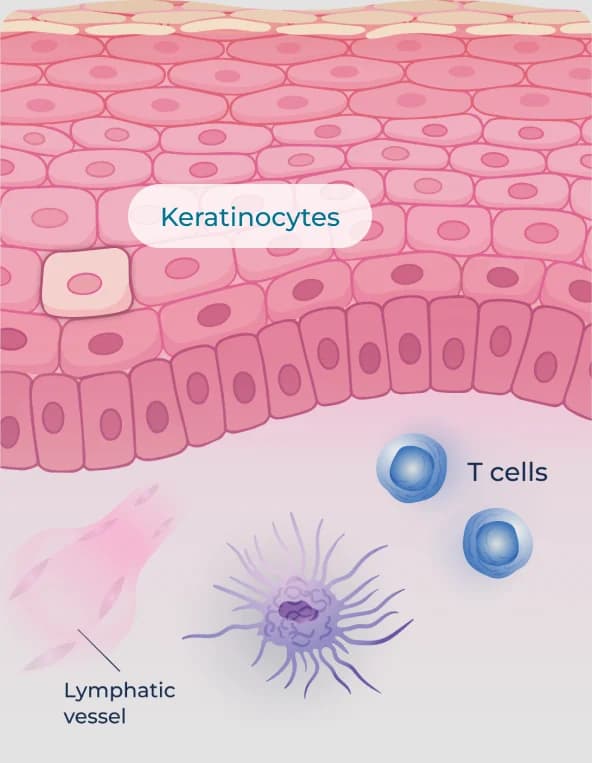
Multiple strata of non-absorptive keratinocytes that can differentiate pathogens from commensal bacteria and trigger immune responses5,6
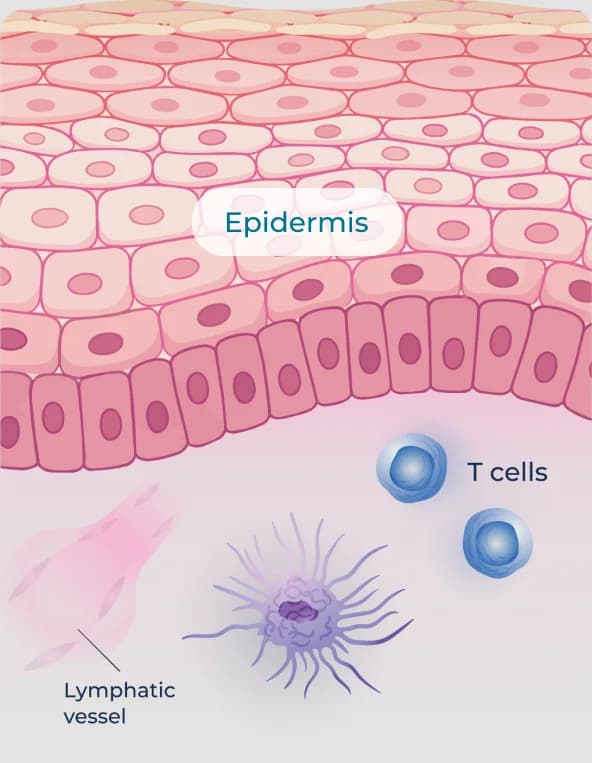
The epidermis is a relatively impermeable barrier that is not vascularized, limiting access of antigens to blood7,8



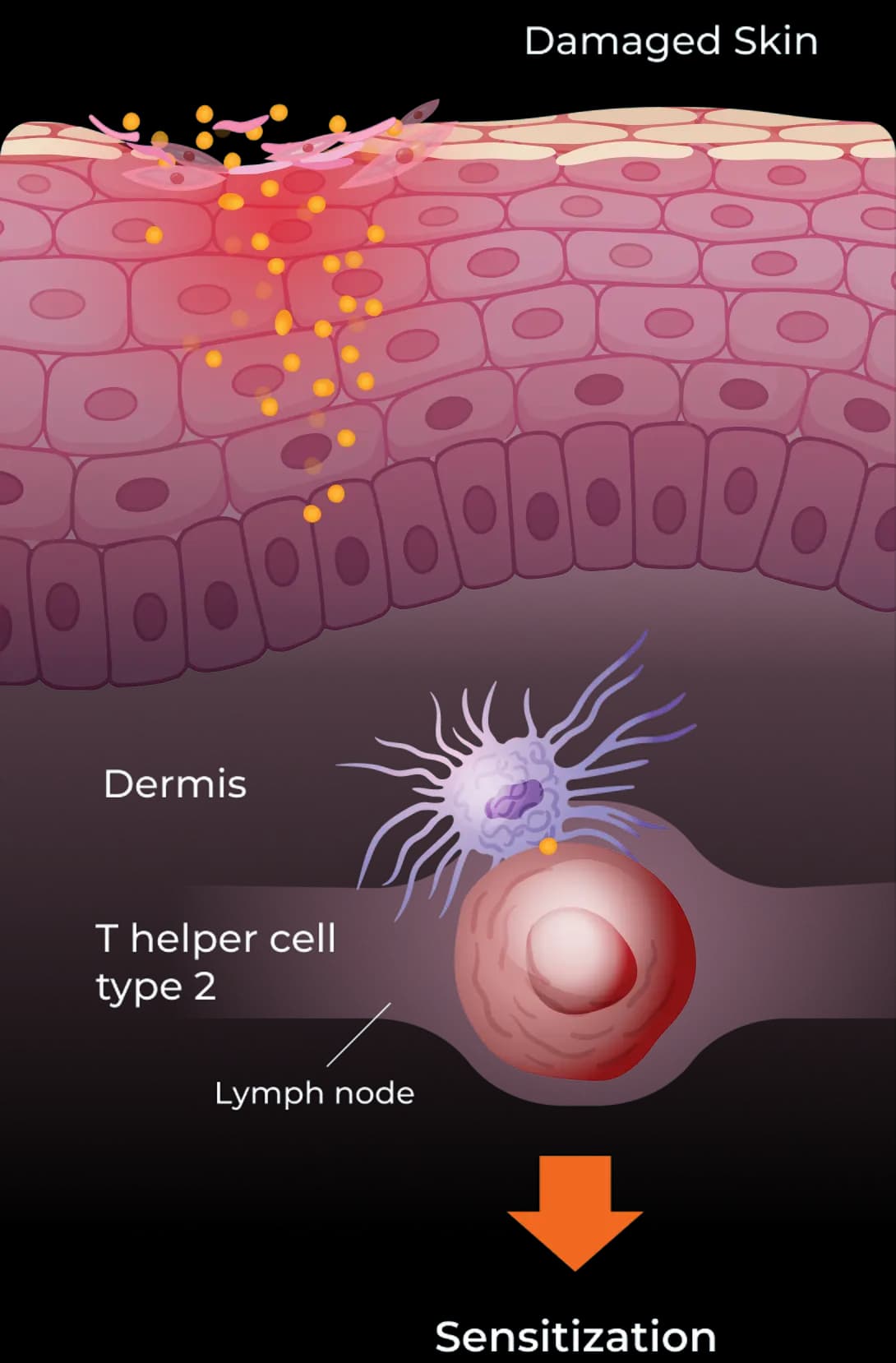
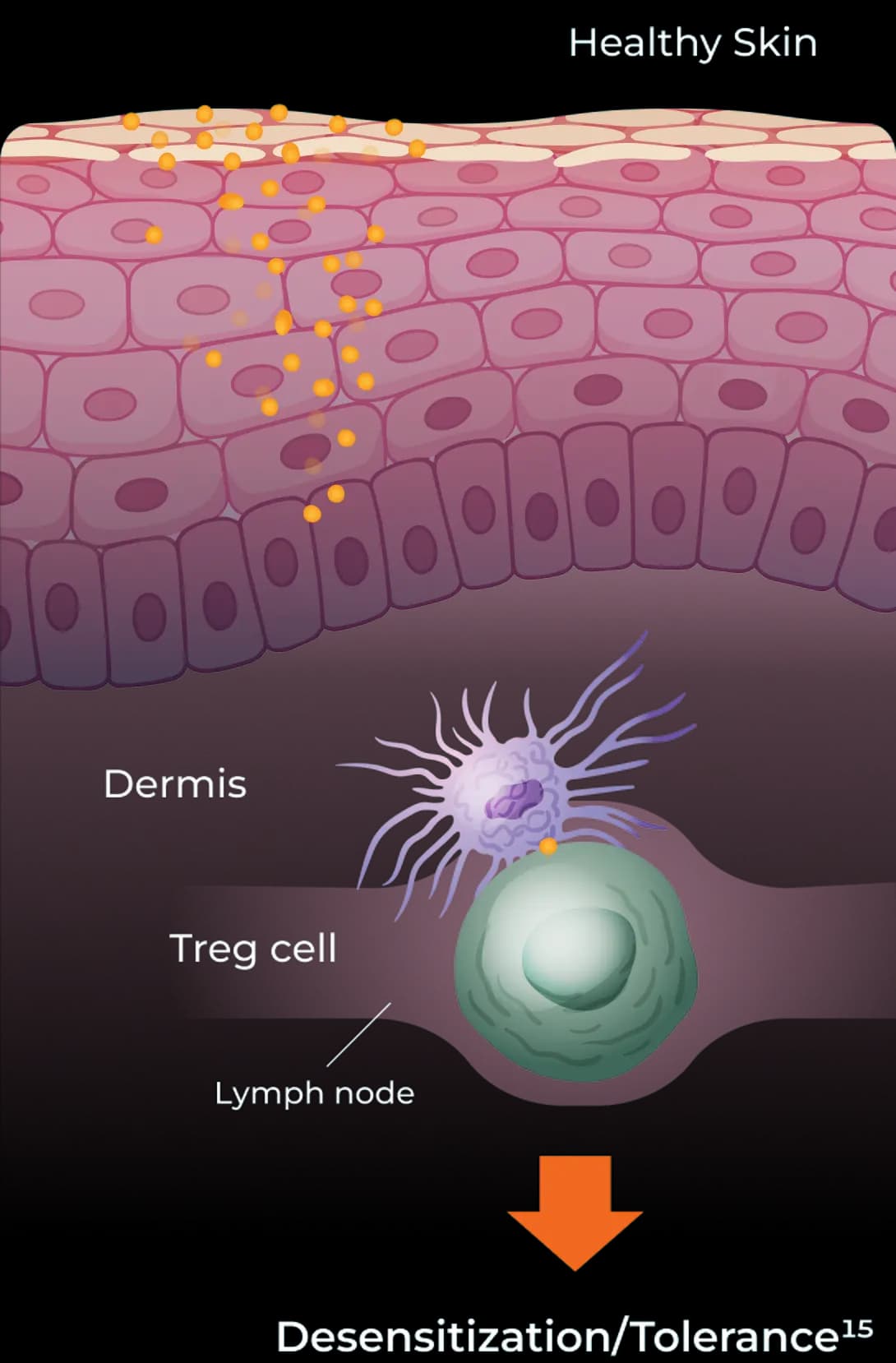
The skin is an immune organ that can promote both sensitization and tolerance3
When the barrier is disrupted, allergen exposure through the skin can promote sensitization. When the barrier is intact, the skin can promote tolerance through regulatory T-cell (Treg) induction.3,5,6
Epicutaneous Immunotherapy (EPIT)
Given its central role in immune modulation, the skin is a promising route for food allergy immunotherapy2,7
This is the basis of EPIT, an investigational approach to food allergy treatment.10
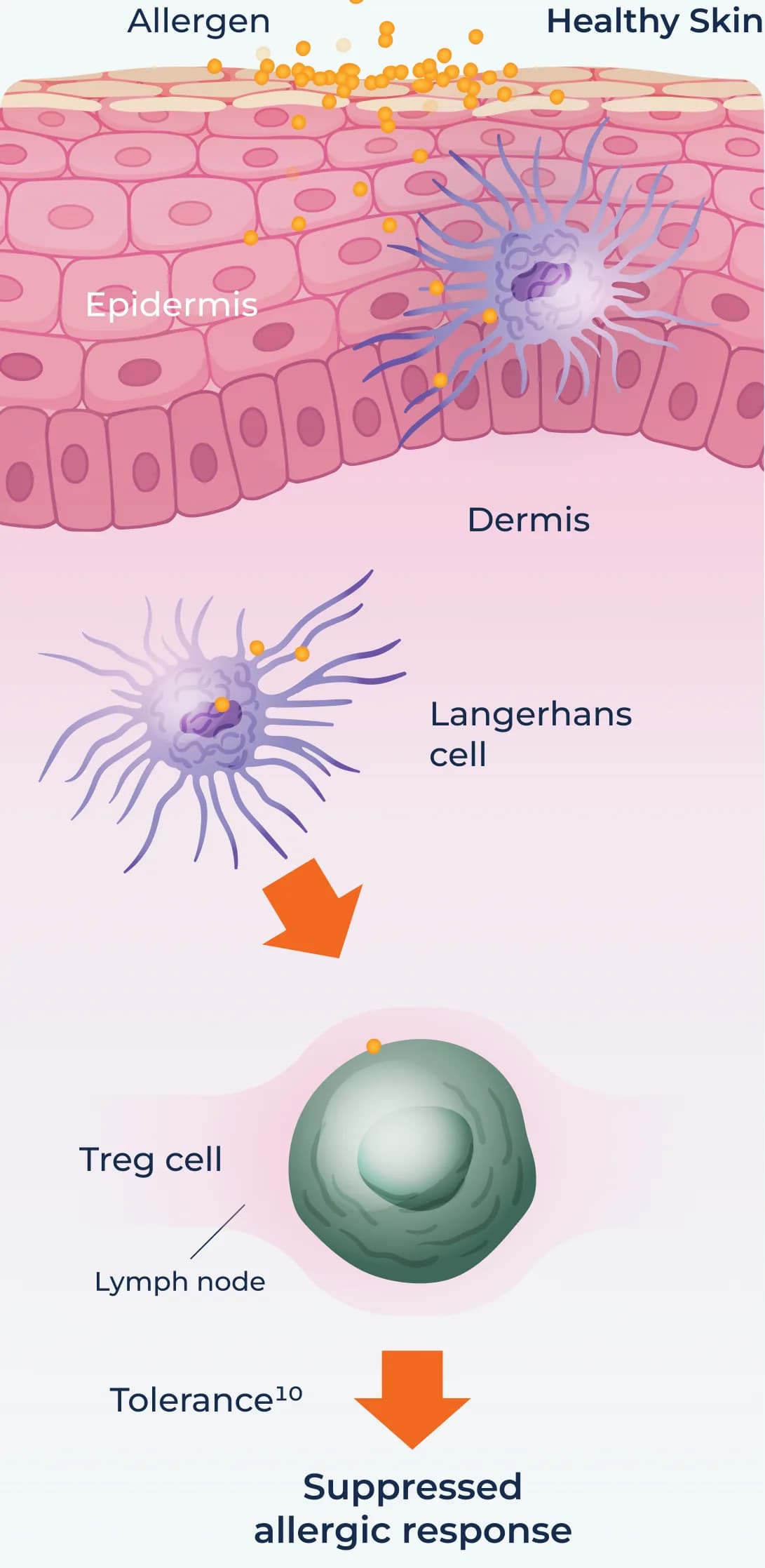
- EPIT introduces a tiny amount of allergen to healthy, intact skin11
- The allergen is captured by Langerhans cells, which induce unique Treg cells instead of Th2 cells10,12,13
- Tregs act on the immune system to suppress the allergic response13,14
VIDEO · 2:46
About peanut allergy and the role of the skin
Connect With Our Medical Affairs Team
Submit a medical information inquiry or contact your local Medical Science Liaison.
- 1. Hervé PL, Dioszeghy V, Matthews K, Bee KJ, Campbell DE, Sampson HA. Recent advances in epicutaneous immunotherapy and potential applications in food allergy. Front Allergy. 2023;4:1290003.
- 2. Pasparakis M, Haase I, Nestle FO. Mechanisms regulating skin immunity and inflammation. Nat Rev Immunol. 2014;14(5):289-301.
- 3. Sampson HA. The riddle of response to cutaneous allergen exposure in patients with atopic dermatitis. Ann Allergy Asthma Immunol. 2024;133(3):244-251.
- 4. Metz M, Maurer M. Innate immunity and allergy in the skin. Curr Opin Immunol. 2009(6):687-693.
- 5. Nestle FO, Di Meglio P, Qin JZ, Nickoloff BJ. Skin immune sentinels in health and disease. Nat Rev Immunol. 2009;9(10):679-691.
- 6. Senti G, von Moos S, Kündig TM. Epicutaneous allergen administration: is this the future of allergen-specific immunotherapy? Allergy. 2011;66(6):798-809.
- 7. Bird JA, Sánchez-Borges M, Ansotegui IJ, Ebisawa M, Ortega Martell JA. Skin as an immune organ and clinical applications of skin-based immunotherapy. World Allergy Organ J. 2018;11(1):38.
- 8. Lim KM. Skin epidermis and barrier function. Int J Mol Sci. 2021;22(6):3035.
- 9. Ramsey N, Berin MC. Pathogenesis of IgE-mediated food allergy and implications for future immunotherapeutics. Pediatr Allergy Immunol. 2021;32(7):1416-1425.
- 10. Ravindran M, Sampson HA, Kim EH, Bee KJ, Green TD, Burks AW. Epicutaneous immunotherapy for the treatment of peanut allergy. Allergy. 2025;80(1):63-76.
- 11. Mondoulet L, Dioszeghy V, Puteaux E, et al. Intact skin and not stripped skin is crucial for the safety and efficacy of peanut epicutaneous immunotherapy (EPIT) in mice. Clin Transl Allergy. 2012;2(1):22.
- 12. Dioszeghy V, Mondoulet L, Laoubi L, et al. Antigen uptake by Langerhans cells is required for the induction of regulatory T cells and the acquisition of tolerance during epicutaneous immunotherapy in OVA-sensitized mice. Front Immunol. 2018;9:1951.
- 13. Dioszeghy V, Mondoulet L, Dhelft V, et al. The regulatory T cells induction by epicutaneous immunotherapy is sustained and mediates long-term protection from eosinophilic disorders in peanut-sensitized mice. Clin Exp Allergy. 2014;44(6):867-881.
- 14. Tordesillas L, Mondoulet L, Blazquez AB, et al. Epicutaneous immunotherapy induces gastrointestinal LAP+ regulatory T cells and prevents food-induced anaphylaxis. J Allergy Clin Immunol. 2017;139(1):189-201.e4.
Epicutaneous immunotherapy is under clinical investigation and has not yet been approved by any health or regulatory authority.